zen
a personalised garden reading across time
answer five questions about your garden and receive a reading across now, year three, and year six — matched to how you think and what you are making.
begin the reading
choose your doorway
which of these sounds
like your garden right now?
not generic advice. not a dashboard. each doorway is a different entry point, and all of them lead into the same full reading: what is being noticed now, what begins by year three, and what matures by year six.
your opening pattern
a recognition page for your garden thinking, your way of moving, and what the space is slowly teaching back.
reading your garden…
pattern · guide · time · signal
the garden lens
see what this means
does this feel true for your garden?
present · now year 3 · settling year 6 · matured all 15 guides
quiet line
what is active now
in practice
the first language of the garden
An early chapter: trying, moving, noticing, and letting the space teach before it is fully resolved.
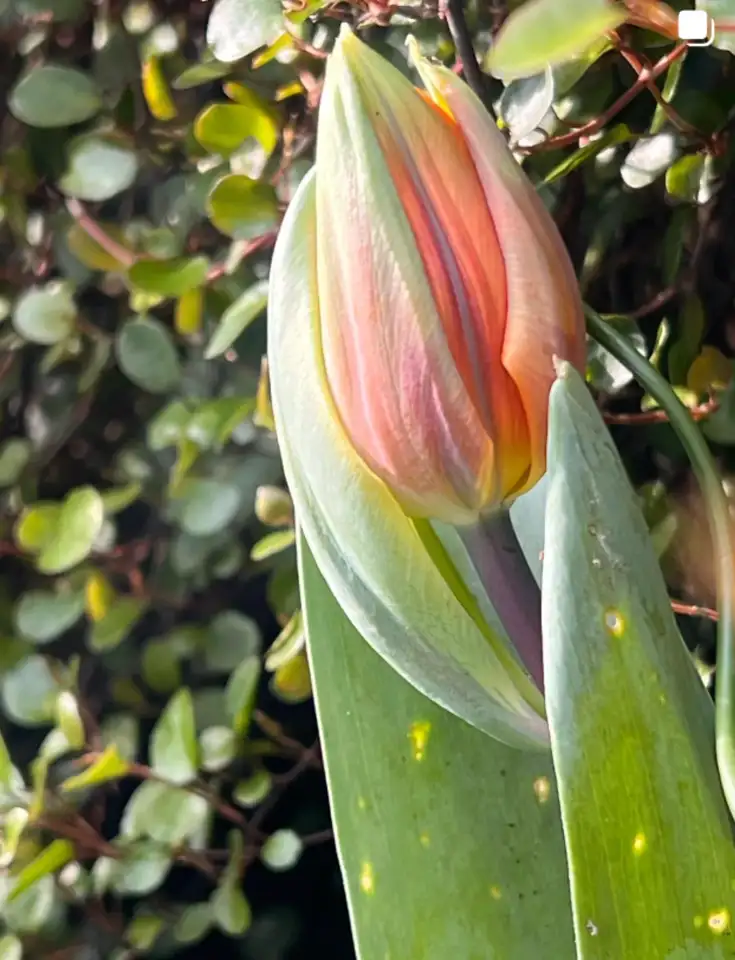
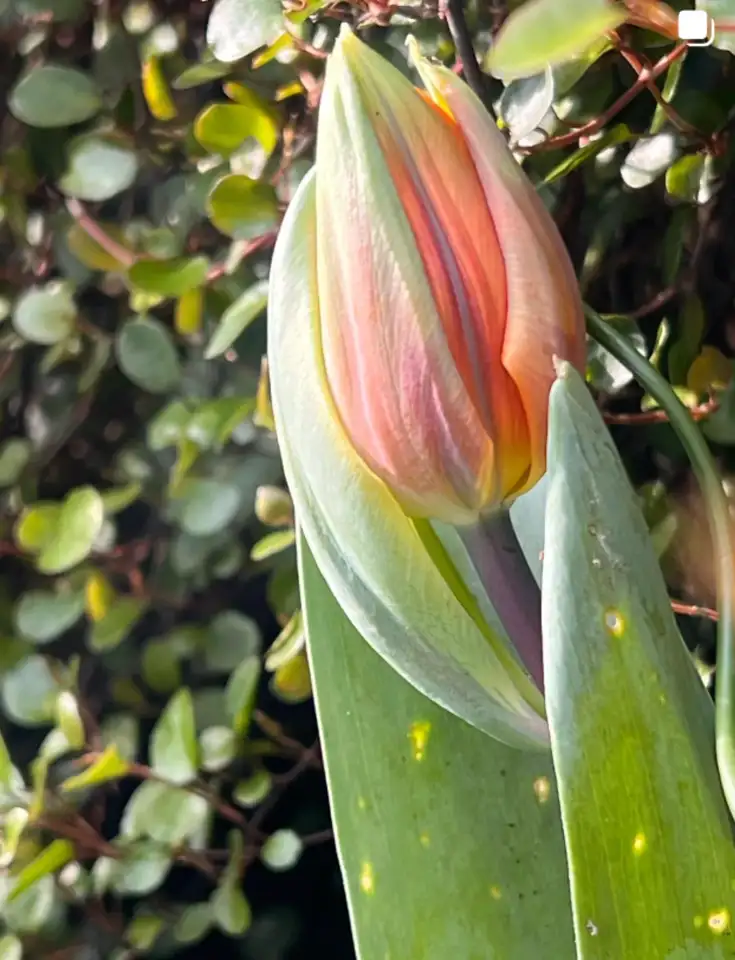
tulip bud closeup
detail
what is still becoming
A quieter image for text about timing, patience, and what is not ready to be forced.

hand tied bouquet
mood
beauty appearing in parts
A softer visual note that supports the reading without taking the page over.
first moves
what to leave alone
what to buy now
premium direction
buy
hold
delay
what begins to settle
transition
where instinct becomes method
This belongs to the settling chapter: choices begin to relate to each other and the atmosphere feels more intentional.
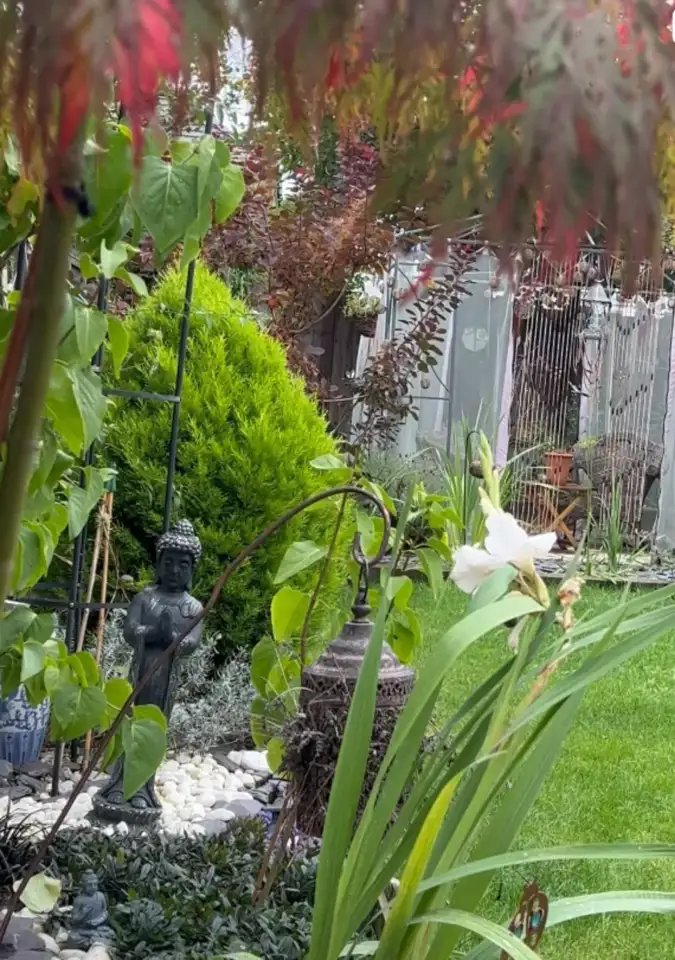
framed garden view
view
the frame begins to matter
A stronger frame suits text about coherence, rhythm, and the garden starting to hold itself.

autumn arrival portrait
presence
the garden starts to feel lived
A human image works here because this phase is less about arranging and more about inhabiting.
what should be true by year three
what to buy for this stage
how it should feel
premium direction
buy
hold
delay
what matures fully
maturity
confidence entering the garden
A later-stage clip for the calmer chapter — less pushing, more knowing, with the space carrying its own identity.
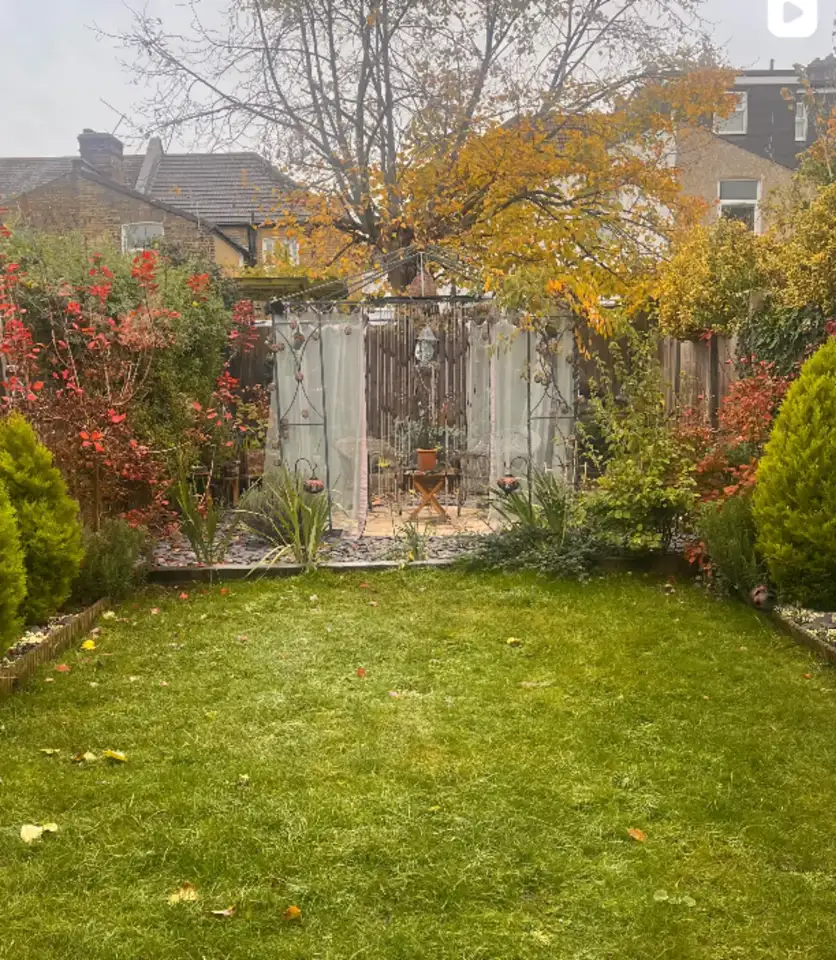
autumn garden overview
whole scene
the garden holding as one piece
The garden holding as one piece.

evening firelight corner
atmosphere
when evening changes the reading
The emotional layer of the garden becoming clearer.
six-year picture
what to add later, not now
the spiritual outcome
premium direction
buy
hold
delay
guide entry
in practice
seeing the guide in the garden
A small visual reference that changes with the selected guide.
garden image
detail
the garden giving the signal
A still image tied to the selected guide.
garden image
mood
the guide held in atmosphere
A second still image tied to the selected guide.
read
see this in your garden
apply now
present · now
year 3 · settling
year 6 · matured
your garden map
this is not a plan. it is how your garden is organising itself across time.
past
present
future
selected
signal
linked guides
about zen
six years in the garden,
turned into a quiet point of view
zen is not about perfect gardening. It is about what a garden teaches when you stay with it long enough — through failed ideas, beautiful surprises, restraint, repetition, and the slow confidence that only time can build.
Over six years, the garden became more than a project. It became a place where I learned to notice before changing, to build structure before decoration, to let seasons answer back, and to trust that beauty grows deeper when it is allowed to settle. Zen is that learning, distilled into a softer, more honest way of seeing a space.
long view of the garden with white stones and planting
the beginning
lavender border with white stones
settling
mature garden texture by stone wall
maturity
01
start with the bones
The garden taught me that atmosphere means more when it is held by structure. Edges, rhythm, anchoring plants, stone, and shape create calm long before flowers do.
02
let repetition do the work
Not every corner needs a new idea. Repetition brings elegance. When forms, tones, and textures echo each other, the whole garden starts to breathe more quietly.
03
buy slower, notice more
Some of the best decisions came from waiting. Watching the light, the season, the scale, and what already wanted to thrive always gave better answers than rushing to fill a gap.
04
beauty can be repurposed
The garden deepened when I stopped looking only for finished objects and started seeing potential in what was overlooked. Found pieces, old textures, and unexpected materials gave it soul.
05
seasons are collaborators
A garden is never one fixed image. It teaches in phases — what disappears, what returns, what softens, what takes longer. Every season reveals a different truth about the same space.
06
familiarity is the luxury
After enough time, the garden becomes less about impressing and more about belonging. The real luxury is a space that feels known, lived with, and quietly yours.
"
Zen came from learning that a garden does not become meaningful all at once. It becomes meaningful because you return, refine, wait, and let it tell you who it wants to be.
the philosophy behind zen
what zen holds
part garden direction,
part personal record
Zen is built from real years in one garden: not theory, not trends, not a showroom idea of outdoors living. It is a slower philosophy shaped by trial, instinct, editing, and lived beauty. The readings, patterns, seasonal thinking, and chronicle all come from that place.
structure restraint seasonal noticing repurposed beauty familiarity long view
continue
From here, someone can move into the full reading, open the six-year chronicle, or step into the garden patterns themselves. The about page is not separate from the experience — it explains why the experience feels the way it does.
garden hour
one hour.
your garden. your pattern.
Not a tour of someone else's principles. A focused conversation about what is actually happening in your space, matched to what your reading has found.
what happens in the hour
01
walk your reading together
We begin with your pattern. What it means for your specific conditions, your specific stage.
02
one or two concrete moves
Not a plan. One or two things the garden is genuinely asking for right now — and exactly why.
03
what to leave alone
Often more important than what to do. We identify what is working quietly and should not be disrupted.
04
a note afterwards
A short written summary of what we discussed, emailed the same day.
your reading will be prepared in advance
the spine builder
structure before decoration
£85
one hour · video call · note afterwards · spaces limited
your name
email address
preferred timing
anything specific you want to focus on (optional)
request received
You will hear back within 24 hours to confirm a time.
Your reading has been noted and will be prepared in advance.
seasonal calendar
twelve months.
one pattern.
The garden does not pause between seasons. This calendar maps what your pattern asks of the space — month by month, matched to your reading.
seasonal check-ins
receive your calendar each quarter
Four emails a year. Each one matched to your pattern and the current season. What to do, what to leave, what to notice.
pattern in motion
see what each pattern
looks like in a real garden
Short films and clips from the garden — each one showing a different pattern in practice. All free. Your matched guide is highlighted.
·
six years in the making
the garden teaches
through return
Not one great design moment. Not a transformation. A slow, seasonal accumulation — of what works, what doesn't, what the soil decides, what the light reveals.
from the garden — year by year
early garden border with white stone and cat
year 1–2
the beginning
bones first, before everything softened
This feels like the stage where structure was being tested — edges, rhythm, white stone, the first sense of order.
lavender border with white stone and dark foliage
year 3–4
settling
contrast and repetition began to hold
Lavender, stone, and darker foliage start to speak to each other here. The garden feels less experimental and more intentional.
settled planting with succulents and stone wall
year 5–6
maturity
the garden became layered, calmer, and sure of itself
This reads like a later chapter — fewer frantic decisions, more interplay between texture, grounding stone, and plants that know where they belong.
"
A garden is never finished. But after six years, it becomes something more important than finished — it becomes familiar. That familiarity is the most underrated thing a garden can offer.
from the founder's garden journal — year six
found layer
found, not planned
three pieces, picked up on a walk. not because they matched anything, but because they held something — the curve of the form, the weight of the material, the feeling they might belong somewhere. they did not arrive with a purpose. they became one. this is how the garden shifts too: not always through decisions, but through noticing what stays with you long enough to be placed.
year one
film
early shaping
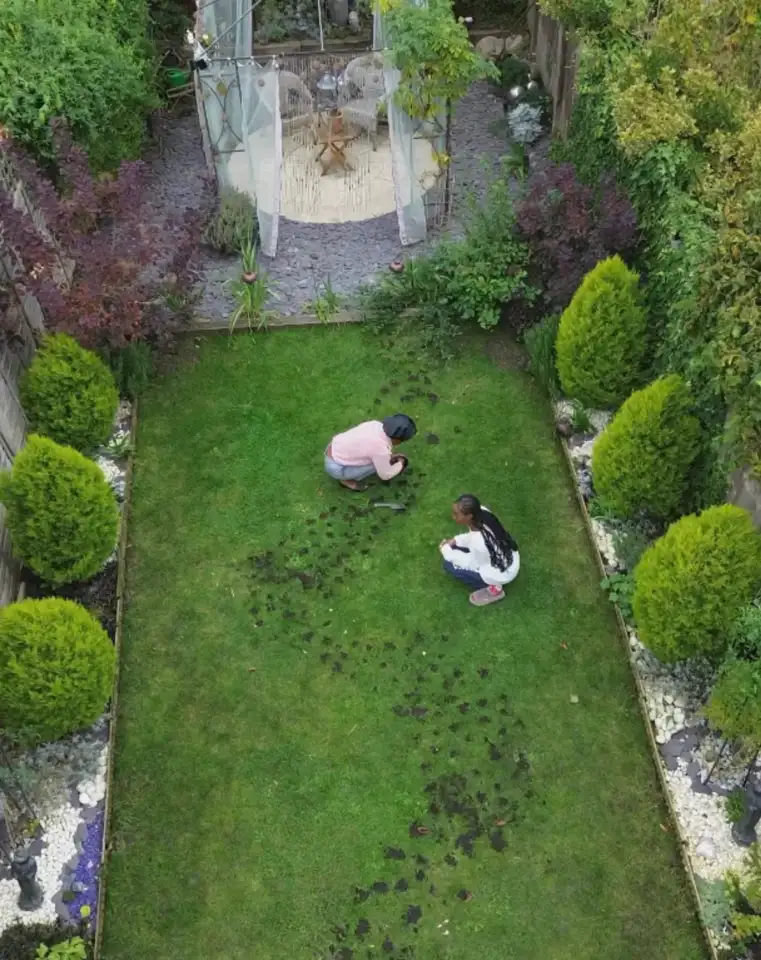
working in the garden from above
still
bones before bloom
magnolia bud before opening
still
what was already on the way
transition
film
the middle learns restraint
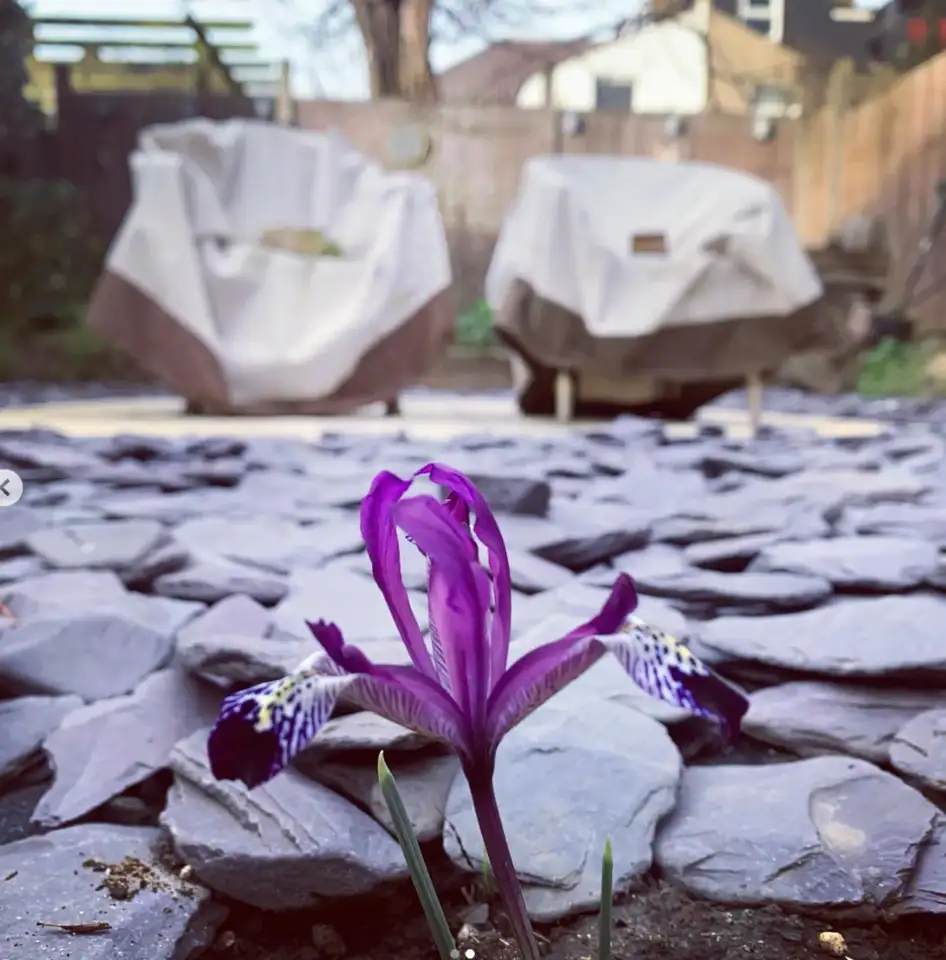
iris rising among stone
still
return finds the structure
year three
film
the garden becomes inhabited
spring tulips in border
still
colour answers back
begin your own chronicle
The patterns in your reading only become visible in retrospect. A photograph, a short note, a clipping — taken now — becomes something else entirely in year three. This is where you keep them.
01
photograph what exists now
Not what you want it to be. What it is. The bones. The light. The corners that already feel settled.
02
write one observation
What is the garden teaching back right now? Not what you're planning — what you're actually noticing.
03
return next season
Open this on the same day, one year later. The difference between those two moments is your reading.
add from your garden
photographs · short videos · moments from any season
stored here, in your browser, privately
· · · · · ·